Bookkeeping for a home’s heating and cooling system rarely feels urgent until it is. In Tucson a failed air conditioner on a 105 degree afternoon is never theoretical. I have stood in backyards while technicians hauled out a compressor and watched a homeowner calculate the cost of an emergency replacement. Routine maintenance prevents many of those calls, and when it does need repair, a clear maintenance history speeds diagnosis and lowers billable hours.
This article condenses what local HVAC experts Tucson AZ advise, pairing practical steps you can take yourself with the moments you should call a professional. Expect clear signals that catch problems early, recommended cadence for work, cost trade-offs, and notes specific to Tucson’s climate. If you search HVAC Service Near Me or worry you need HVAC repair, this guide will help you decide what to try first and when to contact a licensed HVAC contractor Tucson AZ such as Plunkett Home Services.
Why maintenance matters here Tucson’s summers stress air conditioners more than most places. Long runtime wears bearings, dries lubricants, and makes small issues into large ones quickly. Dust, saguaro pollen, and monsoon debris clog coils. Salt and hard water in some neighborhoods accelerate corrosion. The energy you lose to a dirty filter or a failing capacitor shows up immediately on the next electric bill.
Beyond comfort, regular service extends equipment life. A good preventive program often delays a premature replacement by several years, saving thousands over the life of a system. Maintenance also preserves warranties; many manufacturers require documented annual service to honor parts or compressor warranties.
Seasonal rhythm you can follow Treat HVAC care like gardening. There are a few high-value tasks you do every season and deeper checks once a year. For most Tucson homes, follow this rhythm: pre-summer tune-up in March to April, mid-summer visual checks in July, pre-winter quick service in October, and a full annual inspection in spring again if you prefer a contractor cadence. That schedule matches when systems are about to face peak demand or when off-season downtime gives technicians space to work.
What to inspect yourself A handful of checks take a few minutes and can prevent the most common failures. Do these monthly during summer and every other month in milder seasons. If any item shows unusual wear, document the date and observations, then call an HVAC company in Tucson AZ.
- Check and change filters. A clogged filter reduces airflow, forces the blower to work harder, and can freeze the evaporator coil. Replace disposable filters monthly if you run the AC constantly; higher-quality pleated filters may last up to three months depending on dust load. Note filter size and MERV rating when buying replacements. Inspect the outdoor unit. Look for debris, leaves, and weeds within two feet of the unit. Clear away tumbleweeds, twigs, and bird nests. Gently brush away dust from the fins; use a soft brush and avoid bending the fins. Verify thermostat settings and batteries. If your thermostat behaves oddly, change batteries first. For programmable units, confirm schedules reflect actual occupancy. Listen while the system starts. Unusual noises at startup, like a hard click followed by rattling, or repeated short cycles, are early warning signs. Jot down the noise type and time, so a technician can replicate conditions. Monitor energy use. A sudden spike in electricity use without a corresponding temperature change often indicates an inefficient compressor, refrigerant leak, or failing motor.
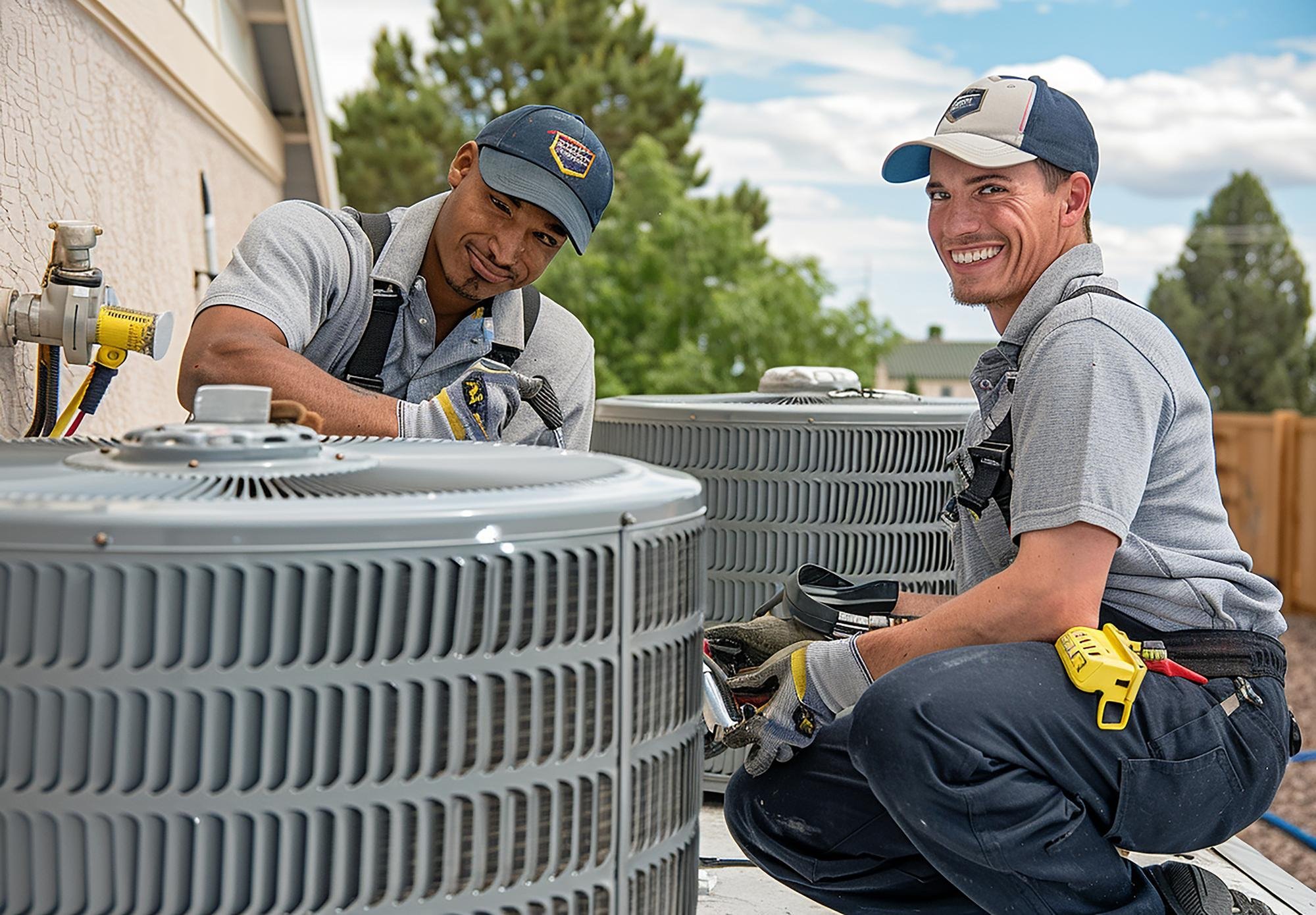
Professional checks that pay off There are several inspections and tasks that require tools and refrigerant handling licenses. Hiring a trusted HVAC contractor Tucson AZ like Plunkett Home Services once a year for a full tune-up is money well spent. A technician will typically perform these work items and explain findings.
- Clean condenser and evaporator coils. Dirty coils reduce heat transfer and force longer runtimes. In Tucson’s dusty environment, coils can collect solid layers that only a technician with coil cleaner and a rinsing rig can remove safely. Test refrigerant charge and pressure. Incorrect refrigerant levels reduce cooling capacity and strain the compressor. A technician measures pressures, compares them to manufacturer specifications, and locates leaks if pressures are low. Inspect and tighten electrical connections. Loose connections increase resistance, generating heat that damages components. A pro will test capacitors and contactors and replace any failing electrical parts. Lubricate motors and moving parts if applicable. Not all modern units require regular lubrication, but older fans and motors benefit from it. Check ductwork and airflow. Technicians can measure airflow with a vane meter, inspect for major leaks, and recommend sealing strategies. Duct leaks in attics and crawlspaces can waste 10 to 30 percent of a system’s output.
When a DIY fix is appropriate and when it is not Many homeowners can change filters, clear debris, and reset breakers safely. Replacing a capacitor, brazing refrigerant lines, or opening sealed systems is not DIY. Mishandling refrigerant is illegal without certification and can harm equipment or personal health.
If a technician can accomplish a repair in under 30 minutes and it involves affordable parts, a repair is often preferable to replacement. But when a compressor fails, or the evaporator coil corrodes through, replacement may be more cost-effective, especially for systems older than 12 to 15 years. Trade-offs depend on the remaining life of the unit, efficiency differences between models, and available warranties.
How to read common failure signs Noise, odor, and cost trends tell stories if you listen.
- A hissing or bubbling sound near the indoor unit often points to a refrigerant leak. Low refrigerant causes the system to run longer and ice the coil. A scraping or grinding noise from the blower indicates a failing motor bearing or a misaligned blower wheel. Ignoring that noise risks motor burnout. A rotten egg or sulfur smell is usually from the pilot in gas furnaces or from decaying organic material in condensate lines. Any gas odor should be treated as urgent; evacuate if you suspect a gas leak and call the gas company. Short cycling, where the system runs for a minute or two then stops, commonly stems from incorrect thermostat placement, low refrigerant, or an oversized unit. Oversizing reduces dehumidification and increases wear from frequent starts. Sudden rises in the electric bill without a change in use often reflect compressor or fan motor inefficiency. A technician will measure amps to find the culprit.
Season-specific guidance for Tucson Summer maintenance should focus on managing dust and heat. Spring is the best time for full service before peak demand. Monsoon season in July through September adds debris and increases humidity, so inspect drains and outside equipment after a storm. Winter concerns are lighter here, but gas furnaces and heat strips still deserve attention in case of temperature swings.
Airflow and comfort tuning Comfort isn’t just about temperature, it is about airflow and humidity. In Tucson, low humidity means the AC does less dehumidifying than in humid climates, but when the monsoons arrive the system must work to keep indoor humidity comfortable.
Check supply registers and return grilles for blockage. A single blocked register may create pressure imbalance and cause short cycling. If some rooms are consistently warmer or colder, consider a zoning evaluation or adding transfer grilles. Small adjustments to the fan curve, which only a professional should make, can optimize circulation without sacrificing efficiency.
Cleaning condensate lines and preventing clogs Condensate drains in Tucson can clog with algae, dust, and organic matter. A blocked line leads to water backing into the drain pan, which triggers float switches and shuts the system down. Homeowners can pour a cup of distilled white vinegar through the drain monthly to reduce slime buildup, but if the drain pan is standing with water or repeated clogs occur, have a technician inspect the trap, the slope of the piping, and the condensate pump if present.
Filters, media, and indoor air quality Filter choice matters. A high MERV rating filters smaller particles but can restrict airflow if the blower and furnace were not designed for it. Most residential systems perform well with MERV 8 to 11 filters; homes with occupants who have allergies may benefit from higher MERVs but should verify fan capability.
If indoor air quality is a priority, consider adding a whole-house media filter, a UV germicidal light at the coil to reduce biofilm, or a mechanical ventilation upgrade to introduce fresh air without throwing off your HVAC balance. Each addition has costs and maintenance needs. UV lights require annual bulb changes, and media filters need replacement less often but are bulkier and cost more.
Record keeping that saves time and money When you call for HVAC repair, a simple log reduces diagnostic time. Keep dates of filter changes, any parts replaced, and notes describing noises or odor. A photo of the unit spec plate is invaluable. Technicians can read model numbers and serials to look up original specifications and spare parts availability before arriving. Plunkett Home Services and other local HVAC companies Tucson AZ often appreciate that prep because it lets them bring the right parts and reduces return visits.
Choosing the right contractor in Tucson Not all HVAC companies are created equal. Look for a licensed HVAC contractor Tucson AZ with good local references, clear pricing, and proof of insurance. Ask how they handle emergencies, warranty work, and whether they offer maintenance agreements that include priority service. A good service plan typically includes two annual tune-ups, discounted repairs, and waived trip fees for covered repairs.
When you compare quotes, ensure you compare apples to apples. A cheap quote might omit important checks or use lower-quality parts. Conversely, the highest quote does not guarantee better service. Evaluate following criteria: technician certifications (NATE is a common professional certification), transparent pricing, clear warranty terms, and a willingness to explain diagnostics in plain language.
Cost expectations and budgeting Annual maintenance from a reputable local contractor typically ranges from about $100 to $300, depending on the services included and whether the visit covers both heating and cooling components. Repair costs vary widely: a capacitor or contactor replacement often runs a few hundred dollars installed, refrigerant repairs can be significantly more if leaks require parts replacement, and compressor replacements can be several thousand dollars. When quoted a repair that is a large fraction of replacement cost, ask for a life expectancy assessment. If the system is approaching 12 years and the repair cost is 40 percent or more of a replacement quote, replacement may be the wiser https://callplunkett.com/ long-term choice.
Warranty and documentation tips Keep manufacturer paperwork and service receipts safe. Many warranties require annual documented service. If you sell a home, documented maintenance increases buyer confidence and can be a negotiating point. When a technician performs service, ask for a written summary of findings, parts replaced, and next recommended actions.
A short case study A homeowner in central Tucson called after the AC cycled every 10 minutes on hot days. The homeowner had replaced the filter regularly but had never had a technician measure refrigerant levels. A Plunkett Home Services technician found a small refrigerant leak in a brazed joint and a dirty outdoor coil. Repairing the leak, recharging to spec, and cleaning the coil stopped the short cycling and brought the system back to rated efficiency. The homeowner avoided a premature compressor failure and reduced the odds of a mid-summer emergency replacement.

Practical checklist to keep by the furnace or thermostat Use this short checklist to track the most impactful tasks. It keeps the household aligned, and technicians will thank you for the entries.
- monthly: change filter, check thermostat batteries, clear two feet around outdoor unit quarterly: inspect condensate line, visually inspect ductwork where accessible, photograph the outdoor unit and serial tag annually: schedule professional tune-up to clean coils, test refrigerant, tighten electricals, and measure airflow
Finding service quickly When you search HVAC Service Near Me, prioritize local contractors with good online reviews and responsive communication. An emergency AC repair in July should not require a three-day wait. Local HVAC experts Tucson AZ understand seasonal patterns and can advise on whether temporary fixes will hold until a planned replacement is possible. Keep contacts for at least two contractors, so you have options on scheduling and second opinions.
Final thoughts on preventative judgment Maintenance is a decision about risk management. Small investments reduce the probability of a large, inconvenient cost. If you prefer predictable expenses for a budget, a maintenance agreement and early small repairs will give you that predictability. If you feel confident handling basic care, focus professional dollars on annual inspections and any electrical or refrigerant work. A pragmatic approach blends DIY vigilance with professional skill at the moments that actually matter.
If you need a local opinion or want someone to start with a spring tune-up, contacting a licensed HVAC contractor Tucson AZ will get you a system that runs cleaner, quieter, and more efficiently. Plunkett Home Services is one option among qualified local teams that offer maintenance plans tailored to Tucson conditions, and they can provide a transparent estimate after a diagnostic visit. Keep good records, act on early warning signs, and you will avoid the worst of Tucson heat-related HVAC emergencies.
Plunkett Home Services
3144 E Fort Lowell Rd, Tucson, AZ 85716
+1 (520) 808-2743
[email protected]
https://callplunkett.com/